
Photo: Bobby / Unsplash
How to Reset a Broken Sleep Schedule
This isn't the "I can't fall asleep" problem. You can fall asleep fine, just four hours later than you'd like. Maybe it crept in through a few late work nights, a run of weekends where 2am felt normal, or a trip across time zones you never quite recovered from. Now your body wants to sleep and wake on a schedule that doesn't match your life, and no amount of willing yourself into bed earlier seems to move the needle. That's because bedtime isn't really the lever. Your internal clock is, and it responds to light, not willpower.
- A 2025 analysis of US health data found roughly 1 in 7 adults live with meaningful social jetlag, a mismatch between their body's clock and their actual schedule.
- Morning light is the strongest signal your body uses to set its internal clock. Getting it consistently is the real fix, not just going to bed earlier.
- Your circadian rhythm shifts later more easily than earlier, which is part of why staying up late is easy and waking up early after is hard.
- Shift your schedule gradually, 15 to 30 minutes a day, rather than forcing an overnight change.
Why Won't My Body Just Go to Bed Earlier?
Because "go to bed earlier" isn't an instruction your body clock actually listens to. Your circadian rhythm, the internal clock that governs when you feel alert or drowsy, is set primarily by light exposure, not by decisions. If you've been getting bright light late into the evening (screens, lamps, a late commute home) and dim, low light in the morning (sleeping through the sunrise, working in a dim room), your clock has quietly drifted to match that pattern. Willing yourself under the covers at 10pm doesn't undo that signal. Your body isn't ready yet, no matter what the clock on the wall says.
This mismatch between your body's preferred schedule and the one your life actually runs on has a name: social jetlag. A 2025 analysis of NHANES health survey data found that about 1 in 7 US adults experience social jetlag of more than an hour, a gap similar to what you'd feel crossing a time zone, except it happens every single week, between weekdays and weekends (Sabbagh et al., Sleep Science and Practice, 2025). Among adolescents, the numbers are even higher, with one widely cited study finding over half showed meaningful social jetlag linked to nighttime screen use.
Why Is It Easier to Stay Up Late Than Wake Up Early?
This is one of the more counterintuitive parts of chronobiology, but it explains a lot about why your schedule drifted in the first place. Left without external cues, most people's internal clocks naturally run slightly longer than 24 hours. That means your body finds it easier to shift later (stay up, sleep in) than earlier (go to bed sooner, wake up sooner). It's the same asymmetry behind why jet lag flying west, which delays your schedule, usually feels milder than flying east, which advances it.
In practice, this means a few late nights snowball easily, one late night makes the next one easier, while correcting back toward an earlier schedule takes deliberate, sustained effort. It's not a discipline problem. It's your biology working exactly the way it's built to.
What Actually Resets a Sleep Schedule?
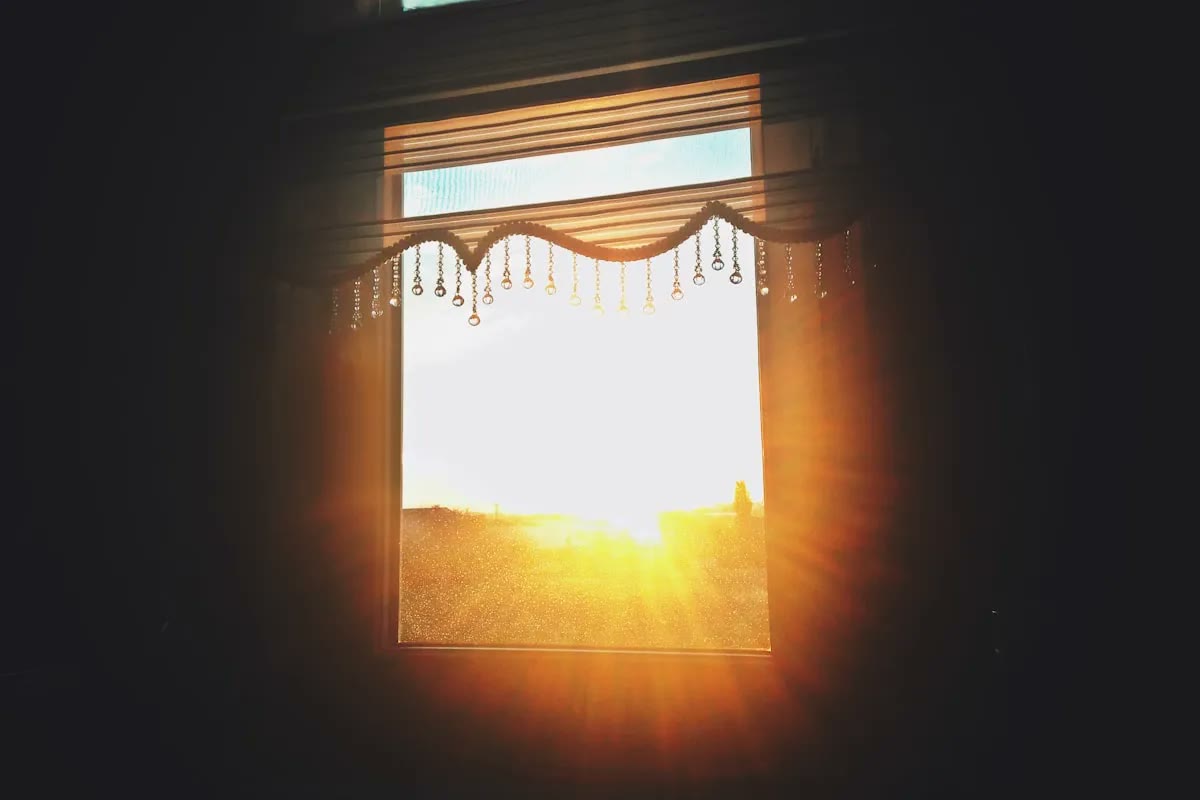
Light, applied at the right times, consistently. This is the single biggest lever, more than sleep hygiene checklists or willpower at bedtime. Research on light exposure and circadian timing has found that even a relatively short pulse of bright morning light produces a substantial portion of the clock-shifting effect of a much longer exposure, meaning you don't need hours of sunbathing, you need consistent, well-timed light. Separately, research on office workers found that people who got more morning light exposure fell asleep faster and reported better sleep quality overall.
Here's the two-sided version of the same principle: bright light in the morning tells your brain "the day has started, be alert now," while dim light in the evening tells it "the day is ending, start winding down." If those signals are scrambled, bright screens late at night, dim rooms all morning, your clock has no clear pattern to lock onto. Breaking the late-night screen half of that is a habit problem more than a timing one, and a short practice to do instead of doomscrolling before bed gives the hour something else to fill it.
If you only change one thing, make it this: get outside, or at least near a bright window, within about an hour of waking, every day, including weekends. This single habit does more to anchor a drifting sleep schedule than an earlier bedtime alone, because it gives your body clock the clearest possible signal for where "morning" begins.
The Sleep Schedule Reset Protocol
Use this if your schedule has drifted later by two hours or more, whether from late nights, an irregular week, or travel.
- Anchor your wake time first, not your bedtime. Pick the wake time you actually want, and get up at that time every day, weekends included, even if you slept badly. This feels harsh for the first few days. It's also what does the real work, because a stable wake time is what recalibrates your clock.
- Get bright light immediately after waking. Step outside for a few minutes, or sit near a bright window. Do this before checking your phone if you can. Consistency matters more than duration.
- Shift gradually if the gap is large. For a schedule off by more than an hour or two, move your target wake time earlier by 15 to 30 minutes every day or two, rather than jumping straight to the end goal. Your body adjusts to small, steady changes far more easily than a sudden overnight shift.
- Dim your evenings on purpose. In the two hours before your new bedtime, lower the lights, and put screens down or at least turn down brightness. This is the same principle behind the wind-down routine, just aimed specifically at retraining your clock's timing, not only helping you relax.
- Hold the line on weekends. This is the step that actually prevents the drift from recurring. A sleep schedule that resets on weekdays and slides on weekends never fully stabilizes; that gap is precisely what social jetlag research measures.
What About Jet Lag Specifically?
Travel across time zones is the same underlying problem, compressed into a shorter timeframe. The same tools apply: seek bright light at your destination's morning, keep evenings dim, and anchor your wake time to the new time zone as soon as possible rather than trying to run on your old schedule. Because clocks shift later more easily than earlier, trips heading west (which effectively lengthen your day) tend to be easier to adjust to than trips heading east. If you know a trip is coming, gently shifting your schedule 20 to 30 minutes a day in the days beforehand, in the direction you'll be traveling, gives your body a head start.
How Do I Know If This Is More Than a Scheduling Problem?
The protocol above is built for ordinary drift: late nights, weekend slide, travel. If you're consistently unable to fall asleep or wake at a socially normal time despite months of consistent effort, or if your sleep timing has shifted dramatically and stayed that way, that can point toward a circadian rhythm disorder, like delayed sleep phase syndrome, which benefits from a clinician's involvement rather than self-guided fixes. It's worth ruling out if the steps above genuinely don't move things after a few consistent weeks.
For most people, though, a broken sleep schedule is a light and consistency problem, not a willpower one. The 3-Minute Meditation Pack's sleep practice pairs well with the wind-down side of this reset, giving your evenings a calm, low-light signal to close out the day.
Frequently Asked Questions
How long does it take to reset your sleep schedule?
Generally a few days to about a week for a shift of a few hours, and your body clock naturally adjusts faster to going to bed later than earlier. Consistent light exposure at the right times, bright light in the morning, dim light at night, is what drives the pace of the reset.
What is social jetlag?
Social jetlag is the mismatch between the sleep schedule your body wants and the one your work, school, or weekend social life imposes. A 2025 analysis of US health survey data found that about 1 in 7 adults experience social jetlag of more than an hour, similar to crossing a time zone every week without leaving home.
Does morning sunlight help you sleep better at night?
Yes. Morning light is the single strongest cue your body uses to set its internal clock. Getting bright light, ideally outdoors, within roughly an hour of waking helps anchor your circadian rhythm, which in turn makes it easier to feel sleepy at the right time that night.
Should I fix my sleep schedule gradually or all at once?
Gradually, in most cases. Shifting your bedtime and wake time by 15 to 30 minutes a day, combined with consistent morning light, is easier to sustain and less disruptive than forcing an overnight change, especially if the shift is more than an hour or two.
The Bottom Line
A broken sleep schedule isn't a discipline failure, it's a clock that's been trained by inconsistent light to expect the wrong hours. Fix the input, consistent wake time, bright morning light, dim evenings, held steady through weekends, and the schedule follows. Give it a week of real consistency before judging whether it's working; circadian rhythms move in days, not hours.
Start with the 3-Minute Meditation Pack
One short guided practice each for stress, sleep, and confidence, straight to your inbox.
Get the free pack- Sabbagh, D., et al., Social Jetlag, Sleep, and Metabolic Syndrome in Adults: Insights of Circadian Misalignment From NHANES 2017-2020, Sleep Science and Practice, 2025 (n=4,438). Retrieved 2026-07-13. link.springer.com
- Social Jetlag and Its Association With Screen Time and Nighttime Texting Among Adolescents, Frontiers in Neuroscience, 2020. Retrieved 2026-07-13. frontiersin.org
- Sleep Foundation, Can You Change Your Circadian Rhythm? Clinical guidance on circadian rhythm adjustment. Retrieved 2026-07-13. sleepfoundation.org
- Phase-response research on morning light exposure and circadian phase-advance, PMC. Retrieved 2026-07-13. pmc.ncbi.nlm.nih.gov
- Morning light exposure, sleep-onset latency, and sleep quality in office workers, Sleep Health: Journal of the National Sleep Foundation. Retrieved 2026-07-13. sleephealthjournal.org
This article is general educational content, not medical advice. If sleep timing problems persist for weeks despite consistent effort, a qualified sleep specialist can help; see the disclaimer for detail.